What is the difference between TCFD and TNFD? Understanding the significance of companies adopting TNFD now from the perspective of natural capital disclosure


What is the Task Force on Nature-Related Financial Disclosures ( TNFD)?
The Taskforce on Nature-related Financial Disclosures (TNFD) is a framework for companies and Financial Institution to appropriately disclose risks and opportunities related to natural capital and biodiversity and incorporate them into investment decisions and business strategies. Like the Taskforce on Climate-related Financial Disclosures (TCFD), this is an initiative to clarify the impact of environmental factors on corporate management and ensure long-term sustainability.
While companies receive benefits from nature through their business activity, their impacts can also cause biodiversity loss. As this Issue becomes more apparent worldwide, the TNFD provides companies with a framework for evaluating natural capital and managing risks, promoting more sustainable management.
Background and purpose of the establishment of TNFD(why it is attracting global attention now)
Currently, biodiversity on Earth is declining at a rate never before seen in human history, with wildlife populations declining by an average of 68% between 1970 and 2016. Our society and economic activity depend on the ecosystem Service provided by nature, and some estimates suggest that economic value equivalent to more than half of global GDP depends on natural capital. The degradation of nature leads to shortages and increased costs of raw materials, posing a serious financial risk that directly threatens the sustainability of business. Against this backdrop of a sense of crisis, the TNFD was established in June 2021 with the aim of visualizing corporate nature-related risks and shifting capital flows from those that have a negative impact on nature to those that restore nature, creating a "nature-positive"TNFD.
Why is TNFD important for businesses?
(1) Risk management and reputation improvement
The impact of corporate activity on the natural environment manifests itself as regulatory risk, physical risk, and reputational risk. For example, deforestation and excessive use of water resources can lead to criticism from environmental groups and damage to brand value. By utilizing the TNFD framework and appropriately disclosing environmental risks, companies can maintain and increase the trust of investors and consumers.
(2) Regulatory response and investor demands
As the EU and national governments strengthen regulations that emphasize biodiversity conservation, information disclosure in line with the TNFD is important for companies to comply with the regulations. In addition, as ESG (environmental, social, and governance) investment expands, investors are evaluating companies' environmental risks more strictly. Complying with the TNFD can enhance competitiveness in the capital market.
(3) Improving supply chain transparency
Many companies are being forced to consider not only their own direct environmental impacts, but also the impacts across their entire supply chains. In particular, the agricultural, Manufacturing and Energy industries are being forced to strengthen collaboration with suppliers to ensure sustainable procurement, as the raw materials procurement process has a significant impact on biodiversity and natural capital.
What is Nature Positive?
"Nature Positive" is gaining global attention as an important concept alongside TNFD. This is a concept that aims to prevent the loss of biodiversity and restore and strengthen the natural environment. The Kunming-Montreal Biodiversity Framework (GBF), adopted at the 15th Biodiversity Conference in 2022, aims to achieve nature positive by 2030.
For companies, nature-positive initiatives are not just a social responsibility, but also contribute to improving their long-term competitiveness. Specific measures that can be considered include the following:
Regenerative Agriculture: Improve soil health, sequestrating carbon and restoring biodiversity.
Utilizing biodiversity credits: Invest in forest conservation activity to offset environmental impacts.
Corporate Strategy for TNFD: Integrating financial information and natural capital data to develop sustainable growth strategies.
Similarities and differences between TNFD and TCFD(from climate change to natural capital)
The TNFD is based on the framework of the preceding TCFD(Task Force on Climate-related Financial Disclosures), and the two are said to have a "sibling relationship."
• Commonalities: Both are based on four pillars: governance, strategy, risk (and impact) management, and metrics and targets, and are designed to allow the use of the systems developed through TCFD.
• Differences: The biggest difference is location. Climate change (CO2) can be assessed using globally standard indicators, but natural capital requires more multifaceted and complex analysis because the value and risk of ecosystems vary greatly depending on the region in which a business is conducted.
TNFD disclosure framework
(1) Four pillars and 14 recommendations
The TNFD's final recommendations (v1.0) established 14 disclosure recommendations linked to four pillars. These recommendations include all 11 of the TCFD's recommendations, and also add three items specific to nature: "engagement with indigenous peoples and local communities," "identification of priority areas," and "understanding impacts throughout the value chain."
(2) Definition of nature-related "dependence, impacts, risks, and opportunities"
The TNFD identifies four elements that must be integrated into financial reporting:
• Dependence: The benefits that a business receives from nature, such as water resources, soil, and disaster prevention functions.
• Impact: The direct and indirect effects of business activity on nature (both positive and negative).
• Risk: Physical risks and transition risks such as regulatory and reputational risks arising from dependence on and impacts on nature.
• Opportunities: New business opportunities and increased value can be generated by contributing to the restoration and conservation of nature.
The "LEAP" approach to implementation (Identify, Assess, Analyze, Prepare)
The LEAP Approach is a recommended guideline for companies to assess and manage nature-related Issue.
1. Locate: Identify where your business and supply chain naturally intersect.
2. Evaluate: Scientifically diagnose the "dependence" and "impact" on nature in the identified location.
3. Assess: Assess what risks and opportunities the dependencies and impacts pose to your company.
4. Prepare: Develop a response plan for the assessment results, Settings metrics, and prepare for disclosure.
How should companies use and conserve natural capital?
(1) Introduce natural capital accounting
By incorporating the value of forests, water resources, and ecosystem Service into financial indicators, companies can easily grasp their environmental impact quantitatively. By utilizing the TNFD framework, companies can incorporate natural capital elements into their management decisions.
(2) Combine with GHG emission amount calculations
Accounting for GHG emission amount is important for companies to accurately grasp their GHG emission amount and Settings reduction targets. By using indicators that correspond to the TNFD, companies can develop sustainability strategies that take into account both natural capital and climate change measures.
(3) Visualizing the environmental impact of the entire supply chain
Evaluating the environmental impact of your suppliers and building a sustainable supply chain can help increase your company's long-term value. For example, promoting the use of sustainable wood and renewable resources can reduce environmental risks.
Latest domestic and international trends and future schedules
Following the publication of the final recommendations in September 2023, disclosure is rapidly becoming mainstream.
- Global trends: The International Standard Setting Board (ISSB) has begun considering nature-related standards, and CDPs's questionnaire will be aligned with the TNFD from 2024, strengthening collaboration with other frameworks.
- Trends in Japan: The response of Japanese companies stands out globally, with Japan having the largest number of "TNFD Adopters" that have declared early disclosure.
- Future plans: With international conferences such as COP16 as turning points, it is expected that discussions and policy development towards making information disclosure mandatory in the future will accelerate further.
Responding to the TNFD can be described as "the process of properly adding natural capital, which has previously been thought of as 'free', to management balance sheets and transforming it into an 'investment' for a sustainable future." Responding quickly to this change is key not only to avoiding risk, but also to building a solid competitive advantage in the capital markets.
summary
The TNFD is an important framework for companies to manage natural capital risks and opportunities and achieve sustainable management. As biodiversity loss becomes more serious, adopting a nature-positive approach is key to strengthening a company's competitiveness and facilitating regulatory compliance.
Zeroboard leverages its expertise in calculating GHG emission amount to provide solutions that support corporate environmental management. We will continue to contribute as a partner that accelerates corporate efforts toward a sustainable future. Zeroboard's think tank, Zeroboard Research Institute, has established the Natural Capital Study Group as a platform for learning, researching, and acting together with the aim of preserving and sustainable use of natural capital. We are engaged in ongoing activity , such as working with participating companies to consider TNFD disclosure that is appropriate for each company.
You can view the overview and recommendations of the Natural Capital Study Group here.
https://www.zeroboard.jp/service/zri
Zeroboard utilizes its expertise in calculating GHG emission amount to provide solutions that support the environmental management of companies in accordance with the TNFD.We will continue to contribute as a partner to accelerating corporate efforts towards a sustainable future.
Zeroboard Research Institute, a think tank for Zeroboard , has established the Natural Capital Study Group as a platform for learning, researching, and acting together with the aim of conserving and sustainable use of natural capital..
We are continuing activity together with participating companies, such as considering TNFD disclosure methods that are appropriate for each company.
About Zeroboard Research Institute
throughout the supply chain
GHG emission amount calculation/visualization,
For centralized management of environmental items
Zeroboard
For detailed information and Contact us about the entire Service ,
Please check here.


<Source>
WWF Japan - Biodiversity has declined by 68% over the past 50 years. Behavioral changes from 2020 will determine the future of life on Earth.
https://www.wwf.or.jp/activities/activity/4402.html
Ministry of Foreign Affairs - overview of the results of the second part of the 15th Conference of the Parties to the Convention on Biological Diversity https://www.mofa.go.jp/mofaj/ic/ge/page22_003988.html
Related articles
-
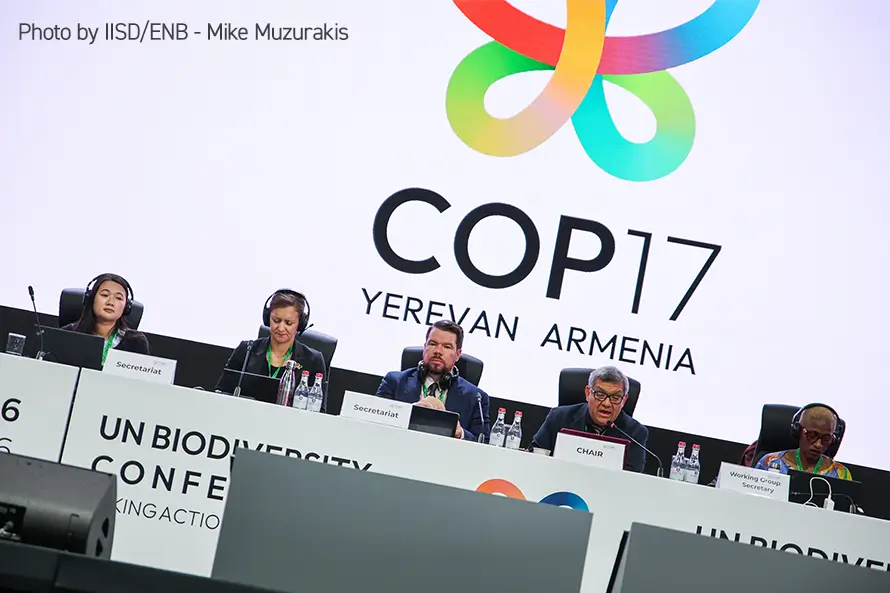
Nature-related standards moved ahead of COP17 – "Measure," "Evaluate," "Set Goals," "Disclose," and "Monetize Funds" in a single circuit.
-

Measurement and Disclosure for Nature Positive "Implementation"—The Kumamoto Summit Revealed the Two Pillars of Impact and "Dependence"
-

What is Supply Chain Security? An explanation of implementation design and SCS evaluation systems to prevent procurement disruption risks.
-

Feeling the limitations of managing supplier surveys (CSR surveys) with Excel? How SAQ systemization can solve these problems.
-
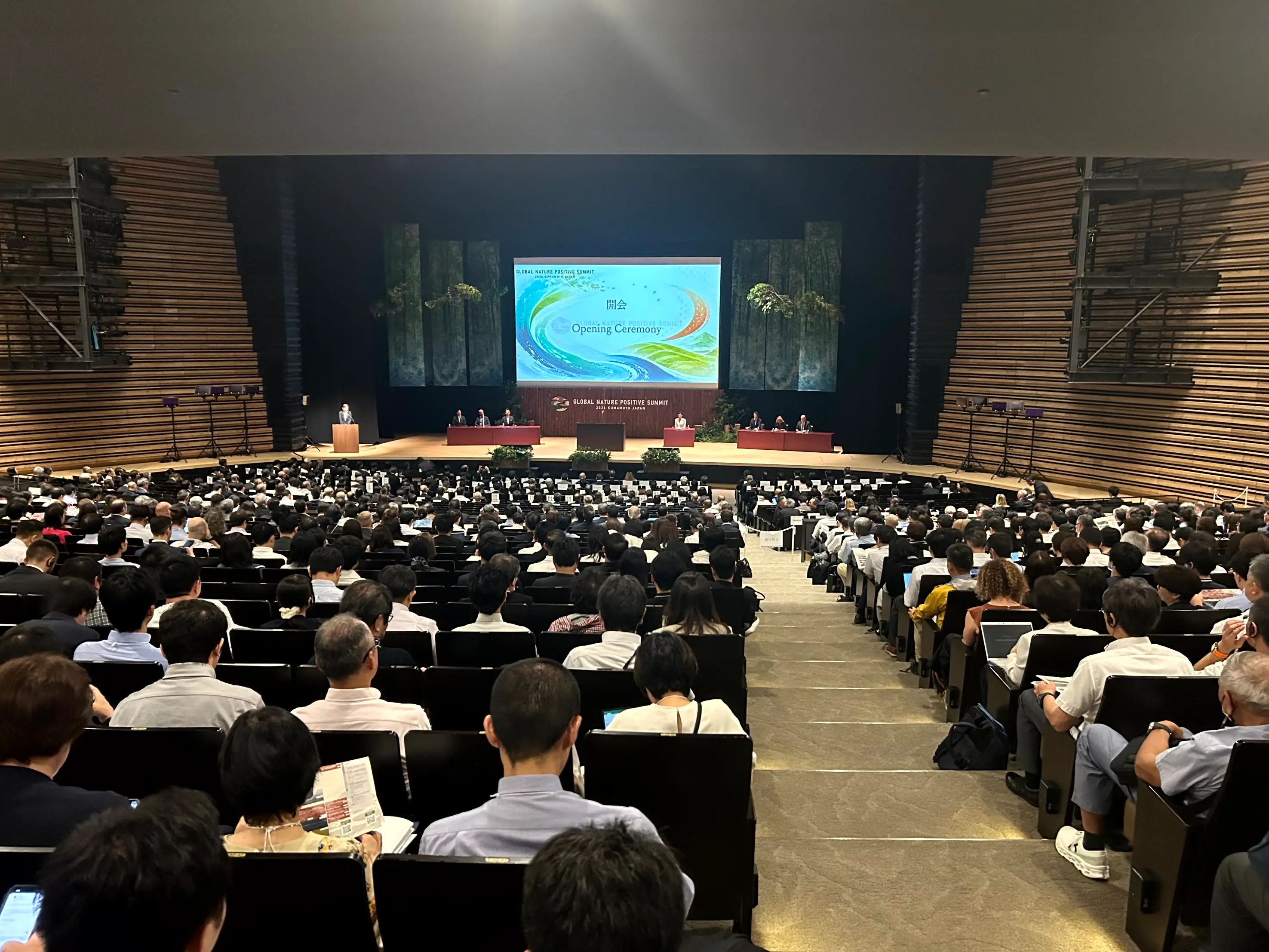
Towards the Integration of "Net Zero" and "Nature Positive" – The Essence of Future Sustainability Management as Seen in the Opening Speech of the Global Nature Positive Summit
-

[SBTi Corporate Net-Zero Standard V2.0] What are the key points and practical impact of the SBTi Corporate Net-Zero Standard V2.0 (CNZS V2.0)? From goal Settings to implementation, strategies for the full transition in 2028.
Ongoing Webinars
-

Explanation of the EU's Regulation on Products Removing Forced Labor (FLR): How Can Companies Prepare for Regulations Without Prior Procedures?
Location: Online (Zoom)Participation fee: Free -

[Sponsored by Keidanren] Early CDPs responses and SSBJ disclosures—Prepare now for early GHG counting
Location: Online (Zoom)Participation fee: Free -

<Recorded broadcast: Every Thursday in November, 11:00 AM - 12:00 PM each (4 episodes in total)>
The Zeroboard Day 2026 – The Future of Sustainability Management, Unleashed by Data Platforms and AI –Location: Online (Zoom)Participation fee: Free -

[UPDATER Co-sponsored] Latest Trends in GHG Protocol Revision and ISO Integration: What Companies Should Prepare Now, as Seen from the Background of Integration
Location: Online (Zoom)Participation fee: Free



-
Nature-related standards moved ahead of COP17 – "Measure," "Evaluate," "Set Goals," "Disclose," and "Monetize Funds" in a single circuit.
-

[SSBJ Disclosure] Practical Guide to Third-Party Assurance | A 4-Step Roadmap and Key Points of Internal Control Explained by Assurance Institutions
-

GHG Protocol publishes results of opinion gathering on AMI – 84% support multi-statement structure, moving on to Phase 2 discussions.
-
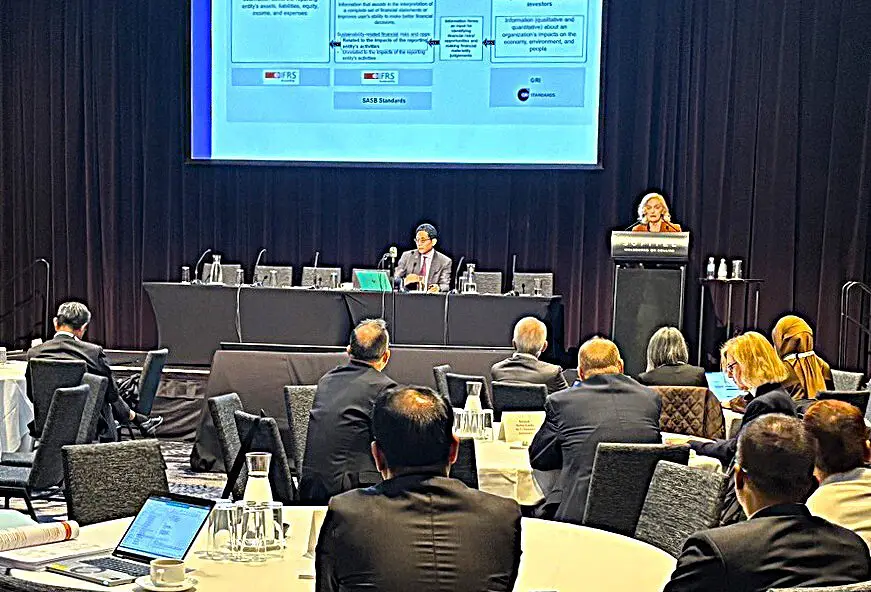
Sustainability Disclosure in Asia and Oceania: ISSB Adoption Progresses, but Emerging Countries are More Impact-Oriented
-

Deciphering the ESRS-40a (formerly N ESRS) exposure draft: Limitations on impact and value chain voluntary standards (Public comments accepted until October 31)